The Atlantic
How AI Could Change Parent-Child Relationships

- Title
- How AI Could Change Parent-Child Relationships
- Runtime
- 1:10
- Date posted
- 10 hours ago
- Description
- As AI becomes more integrated into children’s lives, it could distort the attachment children form with their parents, Jonathan Haidt tells David Brooks. On this week's episode of "The Permanent Questions," Haidt discusses the effects of “super stimuli” on emotional development.

- Title
- Jonathan Haidt: AI Is the ‘Neutron Bomb for Education’
- Runtime
- 40:32
- Date posted
- 11 hours ago
- Description
- Long before he became famous as the author of The Anxious Generation, Jonathan Haidt was a social psychologist whose work revolutionized the field. In this episode of The Permanent Questions, taped in front of a live audience at last month’s Atlantic Festival, David Brooks talks with Haidt about his biggest lessons from 40 years of studying human nature. David and Haidt discuss the role of the emotions in moral decision making, how to design a system that produces less loathsome elites, and why AI is “the neutron bomb for education.”
Subscribe to “The Permanent Questions” podcast on Apple Podcasts:
https://podcasts.apple.com/us/podcast/the-permanent-questions-with-david-brooks/id6803240325
Subscribe to “The Permanent Questions” podcast on Spotify:
https://open.spotify.com/show/6S9fLpWWcHztRbNgM4Y2Y7?si=cad58e0b76be4a59
Follow The Atlantic on Instagram: https://www.instagram.com/theatlantic/?hl=en
Get more ...

- Title
- Are You Better Off Under Trump? The Numbers Say No | The David Frum Show
- Runtime
- 6:08
- Date posted
- 1 day ago
- Description
- In this Saturday episode of “The David Frum Show,” The Atlantic’s David Frum explains why President Trump’s approval rating has sunk so far just two years into his second presidency.
Photo: Win McNamee via Getty
Sign up for David Frum’s newsletter alert to find out when a new story is published: https://www.theatlantic.com/author/david-frum/?follow=true&utm_campaign=frum-yt
Subscribe to “The David Frum Show” on Apple Podcasts: https://podcasts.apple.com/us/podcast/the-david-frum-show/id1305908387
Subscribe to “The David Frum Show” on Spotify: https://open.spotify.com/show/79CBHEDdEbdykveVgbpWs7
Follow The Atlantic on Instagram: https://www.instagram.com/theatlantic/?hl=en
Get more from your favorite Atlantic voices when you subscribe. You’ll enjoy unlimited access to Pulitzer-winning journalism, from clear-eyed analysis and insight on breaking news to fascinating explorations of our world....

- Title
- Here’s Who Democrats Want to Impeach Next
- Runtime
- 1:33
- Date posted
- 2 days ago
- Description
- Some Democrats are quietly preparing a new playbook to investigate members of the Trump administration after the midterm elections, should they manage to retake control of one—or both—chambers of Congress, Matt Viser reports:

- Title
- Trump’s Latest Appeal to Russia Could Outrage Even His Allies
- Runtime
- 1:25
- Date posted
- 2 days ago
- Description
- A new deal to mediate U.S. and Russia relations could infuriate not only Ukrainians and Europeans, but even Trump’s own Republican allies, Simon Shuster reports. He spoke with Trump’s envoy to Eastern Europe about the potential plan to ease economic sanctions on Russia in exchange for the release of political prisoners—a deal that could “risk funneling money to the Russian military,” even as the war with Ukraine carries on.
A previous version of this video misspelled Dmitry Peskov’s name.

- Title
- The AI Hacks Aren’t as Scary as You Think
- Runtime
- 56:17
- Date posted
- 2 days ago
- Description
- The flood of reports about AI agents escaping and hacking websites can feel scary. But is this actually just a matter of needing better security to match the evolving technology? Zack Korman, the CEO of Embroidery, thinks so. He works in cybersecurity and argues that “rogue” AI agents are less frightening and complicated than they may seem. “Galaxy Brain” host Charlie Warzel talks to Korman about how companies and institutions should up their cyber defenses and why the so-called AI doomers are frustrating him.
Subscribe to the “Galaxy Brain” newsletter: https://www.theatlantic.com/newsletters/sign-up/galaxy-brain/?utm_source=podcast-warzel
Subscribe to the “Galaxy Brain” podcast on Apple Podcasts: https://podcasts.apple.com/us/podcast/galaxy-brain/id1378618386
Subscribe to the “Galaxy Brain” podcast on Spotify: https://open.spotify.com/show/542WHgdiDTJhEjn1Py4J7n
Follow The Atlantic on Instagram: https://www.insta...

- Title
- Min Jin Lee: Diaspora Is Now Everyone’s “Permanent Condition”
- Runtime
- 0:53
- Date posted
- 2 days ago
- Description
- “We are being scattered by modern society”: The author Min Jin Lee describes the theme she believes to be crucial for writers to focus on in fiction with Hanna Rosin on “Radio Atlantic.”
https://youtu.be/CdV3QDPbOIk

- Title
- How Gerrymandering Can Splinter Neighborhoods
- Runtime
- 1:15
- Date posted
- 3 days ago
- Description
- A gerrymandering tactic known as “cracking” splits congressional districts—in one case dividing a church from its parking lot, causing some voters in northeast Kansas City to feel “disenfranchised,” Madeleine Carlisle tells Adam Harris on Radio Atlantic.
Listen to Carlisle talk about what she heard from the community.
A previous version of this post indicated that Madeleine Carlisle had traveled to Missouri.

- Title
- All the Cool Kids Are Birding
- Runtime
- 2:10
- Date posted
- 3 days ago
- Description
- Gen Zers and Millennials have found renewed interest in birding, which provides them with a low-stress, low-screen outdoor activity, Rachel Gutman-Wei reports. She and the bird enthusiast Ryan Zucker grabbed their binoculars and headed to New York City’s Central Park to see all the birds they could spot.

- Title
- Min Jin Lee’s Underdog Morality
- Runtime
- 37:47
- Date posted
- 3 days ago
- Description
- The world has waited almost a decade for a new novel by Min Jin Lee. In 2017, she published the best-selling historical epic “Pachinko,” which became a National Book Award finalist and was named one of The New York Times’ 100 best books of the 21st century. Her new book, “American Hagwon,” is out this week, and at its center is a close examination of the pressure and promise of education. Lee joins “Radio Atlantic” to discuss the novel, her own upbringing, and what it means when education is more important than money or religion.
- - -
Get more from your favorite Atlantic voices when you subscribe. You’ll enjoy unlimited access to Pulitzer-winning journalism, from clear-eyed analysis and insight on breaking news to fascinating explorations of our world. Atlantic subscribers also get access to exclusive subscriber audio in Apple Podcasts. Subscribe today at TheAtlantic.com/Listener (https://theatlantic.com/listener)...

- Title
- Behind the Byline: David Brooks
- Runtime
- 1:36
- Date posted
- 4 days ago
- Description
- What is David Brooks’s favorite style of pizza? Ideal superpower? Get to know David, an Atlantic staff writer and the host of the new podcast “The Permanent Questions,” in “Behind the Byline”—a series from The Atlantic where you can get to know our journalists.

- Title
- How Trump Could Threaten the 2026 Elections (With Eric Holder) | The David Frum Show
- Runtime
- 48:16
- Date posted
- 4 days ago
- Description
- In this week’s episode of “The David Frum Show,” The Atlantic’s David Frum opens with his thoughts about the recent state visit by the Chinese president Xi Jinping to the United States. David discusses President Trump’s embarrassing behavior at the dinner and how he has isolated the United States in its rivalry with China.
Then, David is joined by former Attorney General of the United States Eric Holder to discuss the dismantling of the Voting Rights Act, the battle over gerrymandering, and whether Americans can expect the 2026 midterm elections to be free and fair. Frum and Holder also discuss how attorneys general should react to unlawful orders from the president.
Finally, David ends the episode with a discussion of the novel “Agrippa,” by Robert Harris.
Sign up for David Frum’s newsletter alert to find out when a new story is published: https://www.theatlantic.com/author/david-frum/?follow=true&utm_campaign=frum-yt

- Title
- Why Trump Isn’t Reading the Room
- Runtime
- 26:55
- Date posted
- 6 days ago
- Description
- As some Republicans back away from President Trump over Iran, diesel prices, and affordability, something unusual is happening: Trump is not getting mad at them. Is this what his lame-duck status will look like, or is Trump just a savvier political actor now? And will all the electoral-map-shifting help one side over the other, or just make voters mad? The Atlantic staff writers Toluse Olorunnipa and Madeleine Carlisle join “Radio Atlantic” host Adam Harris to discuss what they’ve been reporting on the midterm mess.
Subscribe to the “Radio Atlantic” podcast on Apple Podcasts:
https://podcasts.apple.com/us/podcast/radio-atlantic/id1258635512
Subscribe to the “Radio Atlantic” podcast on Spotify:
https://open.spotify.com/show/4vlgAVfHGyzoHYVmY67yFL
Follow The Atlantic on Instagram: https://www.instagram.com/theatlantic/?hl=en
Get more from your favorite Atlantic voices when you subscribe. You’ll enjoy unlimit...

- Title
- How Meta Glasses Are Fueling the Anti-Surveillance Sentiment
- Runtime
- 1:38
- Date posted
- 6 days ago
- Description
- “People are already primed to be fearful of being watched,” the reporter Mia Sato tells Charlie Warzel on “Galaxy Brain.” They discuss how Meta Glasses are helping drive the intense backlash around modern surveillance.
https://youtu.be/YR3-2KVNrQI

- Title
- What Is the Meaning of Mystical Experience?
- Runtime
- 2:04
- Date posted
- 7 days ago
- Description
- “Faith is not about an object; it’s about an orientation,” the playwright and novelist Ayad Akhtar tells David Brooks, explaining his approach to spirituality outside a religious framework.

- Title
- What Spiritual Growth Looks Like | David Brooks and Ayad Akhtar
- Runtime
- 1:01:53
- Date posted
- 8 days ago
- Description
- What would it be like to wake up one day with the ability to greet the world with warmth, patience, grace, and affection? This is what happens to the main character in the Pulitzer Prize–winner Ayad Akhtar's magnificent new novel, The Radiance. It is a tale of spiritual transformation in which Akhtar gives a detailed description of our inner landscapes. David and Akhtar talk about what it's like to see the world with new eyes, and how difficult it is to move from the head to the heart.
Subscribe to “The Permanent Questions” podcast on Apple Podcasts:
https://podcasts.apple.com/us/podcast/the-permanent-questions-with-david-brooks/id6803240325
Subscribe to “The Permanent Questions” podcast on Spotify:
https://open.spotify.com/show/6S9fLpWWcHztRbNgM4Y2Y7?si=cad58e0b76be4a59
Follow The Atlantic on Instagram: https://www.instagram.com/theatlantic/?hl=en
Get more from your favorite Atlantic voices when you subscribe....

- Title
- How Fallout From the Iran War Could Cost Trump Leverage Against China
- Runtime
- 1:28
- Date posted
- 8 days ago
- Description
- As Donald Trump is set to meet with Xi Jinping, the war with Iran has sent a troubling message about the state of the U.S. economy, Rogé Karma tells Adam Harris on Radio Atlantic. “If Donald Trump’s main way to negotiate is to threaten economic coercion, China now knows he doesn’t have much to use.” Watch the episode for the full conversation:https://youtu.be/G2lyWwoe5io

- Title
- Why Are We So Worried About Our Attention Span?
- Runtime
- 1:02
- Date posted
- 8 days ago
- Description
- Discourse over healing one’s attention span has grown. Julie Beck and the author Jenny Odell discuss the link between how much technology commands people's focus—and informs their understanding of who they are:

- Title
- 5 Songs That Explain America To Me
- Runtime
- 2:15
- Date posted
- 8 days ago
- Description
- Billie Holiday and Lil Jon have both helped James Parker understand America in the three decades since he moved there. Parker shares five picks from his list of 50 songs that help explain the country.
Read his full list at TheAtlantic.com
We want to hear from you too. Leave us a voicemail about a song you think explains America at (202) 266-7715. By participating, you agree to grant The Atlantic permission to use, modify, and distribute the audio files in all media.

- Title
- Trump’s Desperate Diesel Plan Will Backfire | The David Frum Show
- Runtime
- 7:46
- Date posted
- 8 days ago
- Description
- On this week’s Saturday bonus episode of “The David Frum Show,” The Atlantic’s David Frum discusses President Trump’s reported plan to ban diesel exports. David explains why the proposal is ill-conceived, how it could backfire, and what it reveals about the administration’s fundamental misunderstanding of the global economy.
Photo: Mario Tama via Getty Images
Sign up for David Frum’s newsletter alert to find out when a new story is published: https://www.theatlantic.com/author/david-frum/?follow=true&utm_campaign=frum-yt
Subscribe to “The David Frum Show” on Apple Podcasts: https://podcasts.apple.com/us/podcast/the-david-frum-show/id1305908387
Subscribe to “The David Frum Show” on Spotify: https://open.spotify.com/show/79CBHEDdEbdykveVgbpWs7
Follow The Atlantic on Instagram: https://www.instagram.com/theatlantic/?hl=en
Get more from your favorite Atlantic voices when you subscribe. Youâ€...

- Title
- Egypt’s Top Spy Warned Israel Prior to October 7
- Runtime
- 1:45
- Date posted
- 9 days ago
- Description
- Exclusive: Egypt’s top spy flew to Israel shortly before October 7 with a dire warning about Gaza, Vivian Salama reports.

- Title
- Exclusive: Egypt Warned Israel Before October 7
- Runtime
- 10:10
- Date posted
- 9 days ago
- Description
- Less than two weeks before October 7, 2023, Egypt’s top spy flew to Israel with a warning: Hamas appeared to be mobilizing for a major attack. What the Israeli officials did with that warning remains an open question three years after the most devastating surprise attack in Israel’s history. But officials from seven different countries told the Atlantic staff writer Vivian Salama that the visit should have set off alarms across the top ranks of the Israeli government.
Radio Atlantic host Adam Harris speaks with Salama about her exclusive reporting.
Subscribe to the “Radio Atlantic” podcast on Apple Podcasts:
https://podcasts.apple.com/us/podcast/radio-atlantic/id1258635512
Subscribe to the “Radio Atlantic” podcast on Spotify:
https://open.spotify.com/show/4vlgAVfHGyzoHYVmY67yFL
Follow The Atlantic on Instagram: https://www.instagram.com/theatlantic/?hl=en
Get more from your favorite Atlantic voic...

- Title
- What’s Behind the Flock-Camera Backlash?
- Runtime
- 1:50
- Date posted
- 9 days ago
- Description
- The backlash over Flock cameras and Meta glasses could partially be due to fatigue over “the content machine,” the reporter Mia Sato tells Charlie Warzel. People are “sick of being fodder for someone else.”
https://youtu.be/YR3-2KVNrQI

- Title
- Is AI Concerned With Preserving Human Life?
- Runtime
- 1:40
- Date posted
- 9 days ago
- Description
- Whether AI prioritizes human well-being could be key to keeping it from getting out of control, Geoffrey Hinton, often referred to as the “Godfather of AI,” tells Hanna Rosin.
Listen to Radio Atlantic:
https://youtu.be/QkwKn1qhTtQ

- Title
- Meta Glasses, Flock, and the Surveillance State
- Runtime
- 51:36
- Date posted
- 9 days ago
- Description
- Meta has been selling millions of its camera-equipped glasses, making all of us fodder for content creation—when we’re on the street, at the store, and in our workplaces. Host Charlie Warzel talks with Verge reporter Mia Sato about how regular people are being impacted as these glasses increase in use, the backlash to Flock cameras, and what happens in a world where we’re always being recorded.
Check out Mia’s reporting: Meta Glasses Are a Workplace Menace: https://www.theverge.com/report/982414/meta-glasses-work-surveillance-labor-security
and Meta Just Created a Moderation Nightmare: https://www.theverge.com/report/970901/instagram-meta-glasses-prank-harassment-ban
Subscribe to the “Galaxy Brain” newsletter: https://www.theatlantic.com/newsletters/sign-up/galaxy-brain/?utm_source=podcast-warzel
Subscribe to the “Galaxy Brain” podcast on Apple Podcasts: https://podcasts.apple.com/us/podcast/galaxy-brain/id1378618386
S...

- Title
- How Can We Bridge Opposing Views When We're Divided Politically?
- Runtime
- 1:26
- Date posted
- 10 days ago
- Description
- As Americans seem to be more hostile to one another over their politics, it is beneficial to “find some kind of connective tissue” for a more productive conversation, Jessica Tarlov of Fox News’s The Five explains on The David Frum Show.
Watch the entire episode: https://www.youtube.com/watch?v=qVymo7Qrwns&t=814s

- Title
- What the 'Godfather of AI' Thinks Humanity Should Do
- Runtime
- 31:10
- Date posted
- 11 days ago
- Description
- Since he left Google in 2023, Geoffrey Hinton, a Nobel laureate commonly known as the “Godfather of AI,” pops up in the press now and again to issue dire warnings, for example, that there is a 10 to 20 percent chance that artificial intelligence could lead to the extinction of humanity. Hinton explains what exactly alarmed him about the Hugging Face incident and discusses what we can do, right now, to ensure that AI achieves its promise without, you know, extinguishing humanity.
- - -
Get more from your favorite Atlantic voices when you subscribe. You’ll enjoy unlimited access to Pulitzer-winning journalism, from clear-eyed analysis and insight on breaking news to fascinating explorations of our world. Atlantic subscribers also get access to exclusive subscriber audio in Apple Podcasts. Subscribe today at TheAtlantic.com/Listener (https://theatlantic.com/listener) .
Learn more about...

- Title
- Trump's Monumental Obsession
- Runtime
- 1:16
- Date posted
- 11 days ago
- Description
- Donald Trump is invoking national security to justify his attempts to remake Washington, D.C., into a city of buildings and monuments bearing his name—including an arch bristling with weaponry, Tom Nichols argues.

- Title
- How to Argue in the Trump Era Without Losing Your Mind (With Jessica Tarlov) | The David Frum Show
- Runtime
- 1:09:38
- Date posted
- 11 days ago
- Description
- In this episode of “The David Frum Show,” The Atlantic’s David Frum opens with his reaction to the shooting at the Sons of Jacob Synagogue in Ontario on Yom Kippur. David discusses the rise of violence against Jews around the world, and why condemnations of anti-Ssemitic violence ring hollow when they come from people who spread myths about Jewish conspiracies.
Then, David is joined by Jessica Tarlov, the co-host of “The Five” on Fox News and the “Raging Moderates” podcast. They talk about her new book, “I Disagree: Winning Arguments Without Losing Friends,” and how her upbringing helped shape her ability to disagree cordially. David and Jessica also discuss when to debate someone versus when to ignore them so as not to give them a platform.
Finally, David ends the show with a review of the novel “Yesteryear” by Caro Claire Burke.
Sign up for David Frum’s newsletter alert to find out when a new story is published: https://w...
- Title
- Richard Linklater is working on a film trilogy about the transcendentalists
- Runtime
- 0:42
- Date posted
- 11 days ago
- Description
- Richard Linklater says he’s developing a film trilogy about the transcendentalists, noting at The Atlantic Festival that great thinkers such as Ralph Waldo Emerson and Henry David Thoreau are “fundamental to the American experience.” #TAF26

- Title
- Emily Wilson recites the opening of The Odyssey in ancient Greek
- Runtime
- 0:55
- Date posted
- 11 days ago
- Description
- Emily Wilson, the first woman to translate Homer’s “The Odyssey” into English, recites the opening of the epic poem in its original Greek at The Atlantic Festival. Watch more of her conversation with The Atlantic at the link:
https://youtube.com/shorts/1mBHM90sUW4?feature=share
- Title
- Emily Wilson on the importance of translating ancient stories
- Runtime
- 1:19
- Date posted
- 12 days ago
- Description
- At The Atlantic Festival, Emily Wilson, the translator of “The Odyssey,” discusses the value of translating ancient texts, which are “particularly illuminating in times of rapid change.”

- Title
- What Richard Linklater needs to produce big projects
- Runtime
- 1:25
- Date posted
- 12 days ago
- Description
- “For a long-term project, when you’re going to be working with someone for years, that’s a marriage of sorts”: The director Richard Linklater speaks with The Atlantic about what it takes to complete big film projects. #TAF26
- Title
- What Can Happen When Meditation Goes Wrong
- Runtime
- 1:22
- Date posted
- 13 days ago
- Description
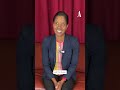
- One woman’s pursuit of mindfulness led her to feel that “she wasn’t really herself, like she was watching a movie of her life,” Olga Khazan tells Hanna Rosin. Listen to the full “Radio Atlantic” episode about Khazan’s exploration of the potential harms of meditation:
- Title
- Briana Scurry shares the changes she wants in women's soccer
- Runtime
- 1:13
- Date posted
- 13 days ago
- Description
- U.S. Women’s World Cup Champion Briana Scurry wants more resources and opportunities for women’s soccer teams now that the sport has “absolutely exploded.” She shares her hopes for the future of soccer with The Atlantic at #TAF26.
https://theatln.tc/wMullHL4
Subscribe to The Atlantic on YouTube: http://bit.ly/subAtlanticYT

- Title
- Trump Battles Against An Economy of His Making
- Runtime
- 29:06
- Date posted
- 13 days ago
- Description
- Chinese President Xi Jinping is coming to Washington this week amid a rapidly shifting global order. Entrenched wars, raging oil markets, and AI regulation will hang over the proceedings, as both the United States and China face economic headwinds. President Trump will also be huddling this week with world leaders at the United Nations General Assembly. “Radio Atlantic” host Adam Harris talks with the Atlantic writers Vivian Salama and Rogé Karma about the U.S.-China relationship, what is really going on in the AI race, and changing international alliances.
Subscribe to the “Radio Atlantic” podcast on Apple Podcasts:
https://podcasts.apple.com/us/podcast/radio-atlantic/id1258635512
Subscribe to the “Radio Atlantic” podcast on Spotify:
https://open.spotify.com/show/4vlgAVfHGyzoHYVmY67yFL
Follow The Atlantic on Instagram: https://www.instagram.com/theatlantic/?hl=en
Get more from your favorite Atlantic voices wh...
- Title
- Kara Swisher Says Modern Tech Leaders Have 'No Guardrails'
- Runtime
- 0:35
- Date posted
- 13 days ago
- Description
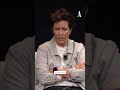
- Speaking about modern tech leaders, Kara Swisher says, “There’s no guardrails on these people, ever.”
“There’s never been a moment where the people do not get a say, and these people get to make decisions for the rest of us that are really problematic,” she tells Adrienne LaFrance at #TAF26.

- Title
- ‘Would You Live Near a Data Center?’
- Runtime
- 3:09
- Date posted
- 13 days ago
- Description
- Charlie Warzel asks Chase Lochmiller, the CEO and a co-founder of the AI-infrastructure company Crusoe, his thoughts on living near data centers. See the full conversation:

- Title
- 50 Songs That Explain America
- Runtime
- 2:07
- Date posted
- 13 days ago
- Description
- From Stevie Nicks to LL Cool J, this is the music that helped James Parker understand America. He shares some of his selections for his list of 50 songs that help explain the country.
We want to hear from you, too. Leave us a voicemail about a song you think explains America at (202) 266-7715. By participating, you agree to grant The Atlantic permission to use, modify, and distribute the audio files in all media.

- Title
- Malcolm Gladwell Jokes About Who’d Win a Hypothetical U.S.-Canada War
- Runtime
- 0:28
- Date posted
- 14 days ago
- Description
- Asked who would win in a hypothetical war between Canada and the U.S., Malcolm Gladwell tells Jeffrey Goldberg that Canada would prevail “because all of the American troops invade Canada, and then realize that they want to stay.”

- Title
- Does the Enormousness of the Universe Make Us Insignificant?
- Runtime
- 1:43
- Date posted
- 14 days ago
- Description
- Humans might seem insignificant in the grand scheme of the cosmos, but we remain significant when it comes to shaping our own world, the astrophysicist Priyamvada Natarajan tells David Brooks.

- Title
- Former White House Adviser Karl Rove on Members of GOP Who Traffic in Bigotry, Conspiracies
- Runtime
- 1:19
- Date posted
- 14 days ago
- Description
- “My party is infiltrated by these people”: Karl Rove at #TAF26 on Republicans who traffic in conspiracies and bigotry.

- Title
- PBS’s Amna Nawaz on Trump’s treatment of women in the press corps
- Runtime
- 1:12
- Date posted
- 14 days ago
- Description
- Asked about Trump’s treatment of female journalists in the press corps at #TAF26, Amna Nawaz says, “I know the only thing they’re thinking about in that moment is the next question ... That’s what they show up to do.”

- Title
- David Brooks Discusses Black Holes, Dark Matter, and the Multiverse With Priyamvada Natarajan
- Runtime
- 52:56
- Date posted
- 14 days ago
- Description
- For all of history, humans have been fascinated by the heavens above us. We’ve used the stars to navigate Earth, to predict the future, and to understand our place in the larger scheme of things. Changes in our view of the cosmos—from the Copernican revolution that “uncentered” the Earth to the discovery of the Big Bang and the recognition that the universe is expanding—have invariably changed our view of ourselves.
In this episode of The Permanent Questions, David Brooks speaks with the astrophysicist Priyamvada Natarajan about the latest scientific view of the universe and what it says about humanity’s place in the order of things. Natarajan is a world-renowned theoretical physicist who has made important breakthroughs in the study of black holes and dark matter; she is also a scholar of the history and philosophy of science and the author of Mapping the Heavens: The Radical Scientific Ideas That Reveal the Cosmos.
Along the way, David and Nata...
- Title
- Former White House Chief of Staff Andrew Card on remembering 9/11
- Runtime
- 1:26
- Date posted
- 15 days ago
- Description
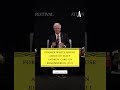
- Former White House Chief of Staff Andrew Card on 9/11: “The most used word that day from people who were victims of the attack was ‘love’ … and that alone drives me to make sure I keep my promise and tell people what happened on 9/11.” #TAF26

- Title
- Colin Kaepernick says NFL players feared retaliation for protesting
- Runtime
- 1:05
- Date posted
- 15 days ago
- Description
- Colin Kaepernick says some fellow NFL players “wanted to be out there protesting and wanted to be supportive,” yet feared retaliation from their organizations. “This isn't a one-player or one-team thing. This was across the NFL,” he tells Jemele Hill. #TAF26

- Title
- Rahm Emanuel on Where He Thinks Democrats Should Focus for the Midterms
- Runtime
- 0:41
- Date posted
- 15 days ago
- Description
- “The first eight letters of ‘progressive’ spell ‘progress’—and you can’t make progress without a majority,” Rahm Emanuel tells Ashley Parker “You can sit there and hold a press conference otherwise. I want the gavel.” #TAF26

- Title
- Florence Pugh on Adding Depth to Her ‘East of Eden’ Character
- Runtime
- 1:24
- Date posted
- 15 days ago
- Description
- The new Netflix adaptation of “East of Eden” doesn’t try to make the character Cathy Ames “a monster,” Florence Pugh says at #TAF26. It was “my job to try and get you guys to sympathize and maybe fall in love with her a little bit,” Pugh adds.

- Title
- Florence Pugh on the unique characters she portrays
- Runtime
- 0:36
- Date posted
- 15 days ago
- Description
- “I do think there’s something really empowering about seeing a woman scream in the face of her destiny,” Florence Pugh says at #TAF26. “And to be able to get to do that in my lifetime, acting it, just in case I don’t do that in my actual lifetime, is also really cool.”
- Title
- Senator Mark Kelly suggests a new name for Trump’s ballroom
- Runtime
- 1:06
- Date posted
- 15 days ago
- Description
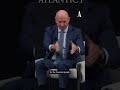
- “You know how Donald Trump likes to name things? So, Lake America, Gulf of America?” Mark Kelly tells Mark Leibovich. “I've got a name for the ballroom ... Felony Hall.”
“He should be spending his day on solving problems for the American people,” Kelly adds, “not ballrooms, not arches, not his latest crypto scam or getting an airplane from a foreign nation.” #TAF26