PBS Terra
Why Young Lions Get Kicked Out of Their Pride

- Title
- Why Young Lions Get Kicked Out of Their Pride
- Runtime
- 8:51
- Date posted
- 2 years ago
- Description
- Watch Big Cats 24/7 🦁 ➡️ https://www.pbs.org/show/big-cats-247/
In this episode, young lions are taking their first steps into becoming adults. They’ve made it through a dangerous part of life, being a cub, where the odds are stacked against them.
When male lions grow up, their presence is seen as a threat to their fathers. As they start growing larger, their manes start to appear, and they begin thinking about having cubs of their own, and this isn’t tolerated within the pride. And so it becomes time to leave and take on the world alone. And the new world they find themselves in is full of challenges they’ll need to overcome in order to lead their own prides one day. Things may not be as simple as they seem however. The Xudum pride is enormous, and how long it can continue growing without fracturing into pieces is unsure. Could this new generation of subadults be the trigger for the Xudum pride to split, or will they join the ranks in this huge...

- Title
- What is causing Brazil's wildfires?
- Runtime
- 1:00
- Date posted
- 2 years ago
- Description
- Brazil's wildfires have doubled since last year, causing severe damage to the Amazon rainforest. But what conditions are causing these fires, and what will happen if the rainforest reaches its tipping point? Weathered: Earth's Extremes host Maiya May explains more.

- Title
- Have hurricanes always caused this much rain?
- Runtime
- 0:57
- Date posted
- 2 years ago
- Description
- Hurricane Helene caused tons of rain across parts of North Carolina and the Southeastern U.S., but was this much rain normal? Weathered host Maiya May breaks down what caused double digits of rain, and will we be expecting more?

- Title
- What are these 10,000 mirrors in the desert?
- Runtime
- 0:50
- Date posted
- 2 years ago
- Description
- This futuristic looking array is a cutting edge solar farm - using super-heated molten salt to churn our power, even in the dark.
Hosted by Joe Hanson from Be Smart, Overview uses stunning 4k drone footage to reveal the natural and human made marvels shaping our planet--from a 10,000-foot view--literally.
*****
PBS Member Stations rely on viewers like you. To support your local station, go to: http://to.pbs.org/DonateTerra
*****
Subscribe to PBS Terra so you never miss an episode! https://bit.ly/3mOfd77
And keep up with PBS Terra on:
Facebook: https://facebook.com/pbsdigitalstudios
Tiktok: https://www.tiktok.com/@pbsterra
Instagram: https://instagram.com/pbsterra

- Title
- Has Earth Already Crossed MAJOR Tipping Points? | Full Episode | Weathered: Earth’s Extremes
- Runtime
- 27:34
- Date posted
- 2 years ago
- Description
- Check out our Patreon: https://www.patreon.com/cw/PBSWeathered?utm_medium=unknown&utm_source=join_link&utm_campaign=creatorshare_creator&utm_content=copyLink
Get the PBS App to watch Weathered: Earth’s Extremes for free starting Oct. 2nd! https://to.pbs.org/PBSAppWeathered
If you're outside of the US and want to watch the show, you can check it out on PBS.org: https://to.pbs.org/WeatheredINTL
The Weathered crew traveled all over the US and abroad to answer pressing questions about our changing climate in our new series, Weathered, Earth's Extremes. Maiya and the team worked so hard on this show -- we can't wait for you to watch it!
Maiya May is on a mission to understand the impacts of climate change and how to stop it. She brings viewers along to learn where we are and where we’re going as greenhouse gasses reach record levels. Have we crossed major climate tipping points? And are there positive tipping points that will help sl...

- Title
- Why Is Survival So Hard for Lion Cubs?
- Runtime
- 9:00
- Date posted
- 2 years ago
- Description
- Watch Big Cats 24/7 🦁 ➡️ https://www.pbs.org/show/big-cats-247/
Lions, leopards and cheetah are breeding successfully in the Okavango Delta, Botswana, but how? (Plus cute newborn cubs!!)
In this episode, we meet the huge Xudum lion super pride has been doing very well lately, and therefore have had the opportunity to further expand their family. With 15 cubs currently in this pride, these brand new lions are stumbling their way through their first stage of life. But the path is fraught with peril, and the odds are against these little cubs’ survival.
The Big Cats 24/7 crew has been following a leopard who has just given birth, footage of leopards this young is very rare. If anything, leopard cubs are even more vulnerable than lion cubs, and they only have a single mother to defend them. She needs to use different tactics to make sure the little ones have a chance of survival.
We also meet a cheetah mother who’s young has...

- Title
- What Causes Hurricane Rapid Intensification?
- Runtime
- 1:00
- Date posted
- 2 years ago
- Description
- In a very short period of time Tropical Storm Helene quickly gained energy as it moved north over the Gulf of Mexico, and shortly after Hurricane Milton went from a tropical storm to a Category 5 hurricane in less than 24 hours, a process known as rapid intensification. Rapid Intensification is becoming increasingly more common as sea surface temperatures continue to rise. Weathered's Maiya May says more about why this happens, the dangers it poses, and why we can expect it to continue.
Our new show, Weathered: Earth's Extremes, now streaming on PBS streaming platforms!

- Title
- Weathered Made a TV Show!
- Runtime
- 4:06
- Date posted
- 2 years ago
- Description
- Check out our Patreon: https://www.patreon.com/cw/PBSWeathered?utm_medium=unknown&utm_source=join_link&utm_campaign=creatorshare_creator&utm_content=copyLink
Get the PBS App to watch Weathered: Earth’s Extremes for free starting Oct. 2nd! https://to.pbs.org/PBSAppWeathered
The first episode will also premiere here on Terra at 8pm ET on 10/2, and Maiya and the Weathered team will be there in the chat! Head over to this link to get notified when the first episode goes live: https://www.youtube.com/watch?v=YEH9nX5sudk
The Weathered team has been working so hard over the last year on this show -- we can't wait to share it with you all!
*****
PBS Member Stations rely on viewers like you. To support your local station, go to: http://to.pbs.org/DonateTerra
*****
Subscribe to PBS Terra so you never miss an episode! https://bit.ly/3mOfd77
And keep up with PBS Terra on:
Facebook: https://faceboo...

- Title
- Why This Unusual Pattern May Save the Rainforests
- Runtime
- 9:35
- Date posted
- 2 years ago
- Description
- Check out In the Margins on @pbsorigins : https://youtu.be/Y1cJCowMz9M?feature=shared
Check out Roots of Resistance on @pbsorigins : https://youtu.be/rUCrmh58GrU?si=b6HPENjsnEKYPrzK
The Choco region in northwest Ecuador is hosting a groundbreaking experiment to try and help it’s rainforests recover from rampant deforestation. A multinational team is planting small “tree islands" to attract natural seed dispersers. It’s an innovative approach that we’ll take a close look at, from above and within.
Hosted by Joe Hanson from Be Smart, Overview uses stunning 4k drone footage to reveal the natural and human made marvels shaping our planet--from a 10,000-foot view--literally.
*****
PBS Member Stations rely on viewers like you. To support your local station, go to: http://to.pbs.org/DonateTerra
*****
Subscribe to PBS Terra so you never miss an episode! https://bit.ly/3mOfd77
And keep up with PBS Terra...

- Title
- Swim in this lake if you want to die
- Runtime
- 1:01
- Date posted
- 2 years ago
- Description
- These apocalyptic ponds in Canada are one of the nastier byproducts of fosile fuel production.
Hosted by Joe Hanson from Be Smart, Overview uses stunning 4k drone footage to reveal the natural and human made marvels shaping our planet--from a 10,000-foot view--literally.
*****
PBS Member Stations rely on viewers like you. To support your local station, go to: http://to.pbs.org/DonateTerra
*****
Subscribe to PBS Terra so you never miss an episode! https://bit.ly/3mOfd77
And keep up with PBS Terra on:
Facebook: https://facebook.com/pbsdigitalstudios
Tiktok: https://www.tiktok.com/@pbsterra
Instagram: https://instagram.com/pbsterra

- Title
- How Otters Are Saving Earth’s Underwater Forests
- Runtime
- 10:07
- Date posted
- 2 years ago
- Description
- Hidden beneath the surface of our coastal seas are towering forests - of kelp. These underwater ecosystems are as crucial to our environment as their land-based counterparts. We’ll explore them alongside conservationists who are working to restore these threatened habitats. We'll also meet some adorable sea otters and learn about the role they play in maintaining the balance in this sensitive environment.
Hosted by Joe Hanson from Be Smart, Overview uses stunning 4k drone footage to reveal the natural and human made marvels shaping our planet--from a 10,000-foot view--literally.
*****
PBS Member Stations rely on viewers like you. To support your local station, go to: http://to.pbs.org/DonateTerra
*****
Subscribe to PBS Terra so you never miss an episode! https://bit.ly/3mOfd77
And keep up with PBS Terra on:
Facebook: https://facebook.com/pbsdigitalstudios
Tiktok: https://www.tiktok.com/@pbsterra
Inst...
- Title
- What's the deal with SPF?
- Runtime
- 0:55
- Date posted
- 2 years ago
- Description
- Some people sunburn easily while others don’t. How does this impact which sunscreen we should use? Is sunscreen necessary at all, especially for those with more melanin in their skin? Dr. Tina Lasisi explains.
.
Original Production Funding Provided by National Science Foundation - Grant No. 2120006 Any opinions, findings, and conclusions or recommendations expressed in this material are those of the author(s) and do not necessarily reflect the views of the National Science Foundation

- Title
- Can depressions be treated with... magnets?
- Runtime
- 1:00
- Date posted
- 2 years ago
- Description
- Curing depression with magnets seems like science fiction, but is there actually some truth to this? How much more research is needed? Dr. Tina Lasisi explains
.
Original Production Funding Provided by National Science Foundation - Grant No. 2120006 Any opinions, findings, and conclusions or recommendations expressed in this material are those of the author(s) and do not necessarily reflect the views of the National Science Foundation

- Title
- The dangers of BBLs
- Runtime
- 0:56
- Date posted
- 2 years ago
- Description
- Brazilian Butt LIfts (aka: BBLs) have the highest mortality rate of any aesthetic surgical procedure. What is the cause of this mortality? Why do we STILL keep getting BBLs? Dr. Tina Lasisi explains.
.
Original Production Funding Provided by National Science Foundation - Grant No. 2120006 Any opinions, findings, and conclusions or recommendations expressed in this material are those of the author(s) and do not necessarily reflect the views of the National Science Foundation

- Title
- Debunking the Aquatic Ape Hypothesis
- Runtime
- 1:00
- Date posted
- 2 years ago
- Description
- Did human evolution actually feature a period where our ancestors lived in the water? Short answer: no. Longer answer (but still short enough for a YouTube Short) is in this in this video where Dr. Tina Lasisi unpacks the Aquatic Ape Hypothesis and explores why humans (perhaps unfortunately depending on your POV) did not have their own “mermaid era”.
.
Original Production Funding Provided by National Science Foundation - Grant No. 2120006 Any opinions, findings, and conclusions or recommendations expressed in this material are those of the author(s) and do not necessarily reflect the views of the National Science Foundation

- Title
- Was Elizabeth Holmes on to something?
- Runtime
- 1:00
- Date posted
- 2 years ago
- Description
- The allure of Theranos was its claim to detect numerous diseases from just a drop of blood.
While Elizabeth Holmes' ambitions ended in scandal, the science she was pursuing wasn't
entirely fantasy. Tina dives deep into the challenges of bloodwork, the technologies like mass
spectrometry that could someday make Theranos' dream a reality, and introduces us to Iollo, a
new company promising what Theranos couldn't deliver.
Dr. Tina Lasisi breaks down the story.
.
Original Production Funding Provided by National Science Foundation - Grant No. 2120006 Any opinions, findings, and conclusions or recommendations expressed in this material are those of the author(s) and do not necessarily reflect the views of the National Science Foundation

- Title
- Can anyone explain this giant structure in the Sahara?
- Runtime
- 0:54
- Date posted
- 2 years ago
- Description
- It's not aliens. It's not Atlantis. It is a geological wonder called the Richat Structure.
Hosted by Joe Hanson from Be Smart, Overview uses stunning 4k drone footage to reveal the natural and human made marvels shaping our planet--from a 10,000-foot view--literally.
*****
PBS Member Stations rely on viewers like you. To support your local station, go to: http://to.pbs.org/DonateTerra
*****
Subscribe to PBS Terra so you never miss an episode! https://bit.ly/3mOfd77
And keep up with PBS Terra on:
Facebook: https://facebook.com/pbsdigitalstudios
Tiktok: https://www.tiktok.com/@pbsterra
Instagram: https://instagram.com/pbsterra

- Title
- How Corn Took Over the World 🌽
- Runtime
- 11:30
- Date posted
- 2 years ago
- Description
- Learn more about Human Footprint: https://www.pbs.org/show/human-footprint
As one industrialized strain of corn is dominating the market, it's rapidly replacing thousands of indigenous and local varieties. But what does this transformation mean for our food security and the preservation of agricultural diversity?
In Mexico, Human Footprint host Shane Campbell-Staton explores around a maize vault, a treasure trove of genetic diversity. He joins geneticist Sarah Hearne to unravel the intricate genetic landscape of corn. In a tortilla factory, Shane meets with local Mexican chefs Santiago Muñoz and Daniela Moreno, who are committed to reviving the sacred heritage of maize and preserving cultural traditions through corn.
*****
PBS Member Stations rely on viewers like you. To support your local station, go to: http://to.pbs.org/DonateTerra
*****
Subscribe to PBS Terra so you never miss an episode! https://bit.ly/3mOfd77
...

- Title
- The Fungus Behind This Mysterious Disease
- Runtime
- 0:58
- Date posted
- 2 years ago
- Description
- Ergot fungus caused a mysterious disease with terrible symptoms. But ironically, the fungus also has a ton of medical benefits! Fascinating Fails host Maren Hunsberger shares more.
- Title
- The Strain Of Corn That Rules Them All
- Runtime
- 1:00
- Date posted
- 2 years ago
- Description
- Corn may be one of the world’s top crops, but its success has made it unexpectedly vulnerable to changes in the market. On a video call, Human Footprint host Shane Campbell-Staton and food historian Abeer Saha dive into corn’s past and its use over time. They reveal how the industrialization of agriculture can offer more insight into human nature.

- Title
- Earth’s History Is Hidden in These Strange Maps
- Runtime
- 10:20
- Date posted
- 2 years ago
- Description
- The Channeled Scablands of the Pacific Northwest hide an astonishing secret. Evidence of a massive flood that shaped the entire region lies just beneath its landscape. But it can only be seen with cutting edge LIDAR technology. Join Joe as he learns how scientists are using lasers to reveal details that may help us predict the paths of potential megafloods of the future.
Hosted by Joe Hanson from Be Smart, Overview uses stunning 4k drone footage to reveal the natural and human made marvels shaping our planet--from a 10,000-foot view--literally.
*****
PBS Member Stations rely on viewers like you. To support your local station, go to: http://to.pbs.org/DonateTerra
*****
Subscribe to PBS Terra so you never miss an episode! https://bit.ly/3mOfd77
And keep up with PBS Terra on:
Facebook: https://facebook.com/pbsdigitalstudios
Tiktok: https://www.tiktok.com/@pbsterra
Instagram: https://instagram.com/pbsterr...
- Title
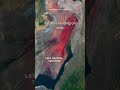
- The 6 weirdest colored bodies of water on Earth
- Runtime
- 0:48
- Date posted
- 2 years ago
- Description
- When seen from space, Earth’s water appears in vibrant shades other than the deep blue that we’re used to. What’s up with that?
Hosted by Joe Hanson from Be Smart, Overview uses stunning 4k drone footage to reveal the natural and human made marvels shaping our planet--from a 10,000-foot view--literally.
PBS Member Stations rely on viewers like you. To support your local station, go to: http://to.pbs.org/DonateTerra

- Title
- How Moldy Bread Can Change Your Brain
- Runtime
- 19:39
- Date posted
- 2 years ago
- Description
- A grisly medieval plague of holy fire. An experiment gone wrong. And…the CIA? All of these unlikely elements weave together in the story of accidental discovery that gave us LSD. Plus, how scientists today are studying how psychedelics could be used to treat mental illnesses like depression, addiction, OCD, and more.
*****
PBS Member Stations rely on viewers like you. To support your local station, go to: http://to.pbs.org/DonateTerra
*****
Subscribe to PBS Terra so you never miss an episode! https://bit.ly/3mOfd77
And keep up with PBS Terra on:
Facebook: https://facebook.com/pbsdigitalstudios
Tiktok: https://www.tiktok.com/@pbsterra
Instagram: https://instagram.com/pbsterra

- Title
- The Accidental Discovery Inside Sea Urchin Poop
- Runtime
- 1:00
- Date posted
- 2 years ago
- Description
- Fascinating Fails host Maren Hunsberger chats with Dr. Reina Veenhof about what she accidentally discovered inside sea urchin poop, and why baby kelps love it so much!
- Title
- Did Golf Turn Us Into Grass Lovers?
- Runtime
- 0:54
- Date posted
- 2 years ago
- Description
- In Palm Springs, golf courses are an oasis - but what does it take to keep it alive and flourishing? Straight from a golf cart on the course, Shane Campbell-Staton chats with Jonas Conlan about the resources used for turf grass and some history on golf’s origin.
- Title
- Finding the *BIGGEST* Reason To Feel Hopeful About Climate Change
- Runtime
- 13:03
- Date posted
- 2 years ago
- Description
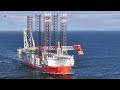
- Join Joe in this exploration of a true titan of modern engineering: the world's largest crane. With a lifting capacity of 5,000 tons—equivalent to hoisting a SpaceX Starship Heavy—this giant ring crane at Rotterdam's Mammoet headquarters is a true powerhouse that plays a crucial role in the renewable energy revolution, building massive offshore wind turbines that help combat climate change. And yes, they may let Joe drive it.
CLARIFICATION (Aug. 7, 2024): In this video, we used "largest" to describe the physical size of the crane. We understand from subject matter experts that cranes are more usually classified based on lifting capacity, so we wanted to note here that there are a few cranes with higher lifting capacities. We all have even more reason to feel hopeful about climate change and the potential positive impact of enormous cranes!
Hosted by Joe Hanson from Be Smart, Overview uses stunning 4k drone footage to reveal the natural and human made mar...

- Title
- How a Kitchen Mishap Changed Science Forever
- Runtime
- 16:17
- Date posted
- 2 years ago
- Description
- Whoever said baking is a science definitely knew what they were talking about. In this episode of Fascinating Fails, we explore how a kitchen tip that changed science forever owes its accidental beginnings to ancient cooking traditions. Plus…a trip to a seaweed farm?!
Unfortunately, there is a typo in the credits on this video. Genevieve Blaise, who is listed as a Researcher & Writer for this episode, should be credited in her role as Field Producer.
*****
PBS Member Stations rely on viewers like you. To support your local station, go to: http://to.pbs.org/DonateTerra
*****
Subscribe to PBS Terra so you never miss an episode! https://bit.ly/3mOfd77
And keep up with PBS Terra on:
Facebook: https://facebook.com/pbsdigitalstudios
Tiktok: https://www.tiktok.com/@pbsterra
Instagram: https://instagram.com/pbsterra

- Title
- Grass: America’s Thirstiest Addiction
- Runtime
- 11:35
- Date posted
- 2 years ago
- Description
- Learn more about Human Footprint: https://www.pbs.org/show/human-footprint
Step into the world of manicured lawns and desert golf courses to discover the surprising reality behind turf grass: America's most resource-intensive plant, yet one of its least productive crops. Shane Campbell-Staton, host of Human Footprint, visits Palm Springs and examines the environmental impact of our fixation on lawns, which historically symbolized as power and status.
This episode also examines Palm Springs' golf courses, beautiful but thirsty artificial oases, and the impressive engineering needed to keep their lush greens, well, lush and green. Grass may be all around us, but the cultural and resource costs might be more than you've ever realized. Let's tee off and take a look at the real cost of that perfect green lawn. Fore!
*****
PBS Member Stations rely on viewers like you. To support your local station, go to: http://to.pbs.org/DonateTerra
*****...

- Title
- What Are Scientists Learning About Sharks?
- Runtime
- 1:00
- Date posted
- 2 years ago
- Description
- Happy World Oceans Day! Shark scientists Dr. Lauren Eve Simonitis, A-bel Gong, and Jaida Elcock share some surprising things they've learned in their shark research! Catch up on episodes of Sharks Unknown with Jasmin Graham on PBS Terra.
This video has been re-uploaded due to a color correction.

- Title
- 2024 Is Going to Be a Bad Year for Hurricanes…But Why?
- Runtime
- 1:01
- Date posted
- 2 years ago
- Description
- 2024 is predicted to be a bad year for hurricanes, but why? It has something to do with naturally occurring climate known as La Niña… Weathered #shorts

- Title
- Your Allergies Are Getting Worse…But Why?
- Runtime
- 1:00
- Date posted
- 2 years ago
- Description
- Climate change is making our allergies worse, but what does this really mean? Let’s get into the weeds to better understand the future of pollen. Weathered #shorts

- Title
- How Mantises Became Nature’s Strangest Assassins
- Runtime
- 10:51
- Date posted
- 2 years ago
- Description
- Mantises may be some of the most out-of-this-world-looking critters on Earth, but they’re uniquely adapted to life on this planet. These incredible hunters have repeatedly evolved into “ecomorphs”—groups that aren’t closely related, but share amazing adaptations to similar habitats. Mantis expert and grad student Lohit Garikipati says this happens so consistently in their history that “it’s almost baffling.” These dazzling displays of convergence may have something to tell us about evolution…
Our host, entomologist Jessica Ware, Ph.D., visits Lohit at the Towson University Mantis Lab to see how researchers are using high-speed infrared cameras to track the movements of mantis prey capture. The similarities (and differences) in hunting techniques can help reveal how environments shape the animals that live in them.
#mantis #evolution #ecomorph #ethology
Image: Stagmomantis sp., © Lohit Garikipati
*****
PBS Me...

- Title
- The Genetic Diversity Of Purebred Dogs
- Runtime
- 1:00
- Date posted
- 2 years ago
- Description
- Did you know that kennel clubs introduced rules that standardized characteristics of different dog breeds? At the Westminster Kennel Club, find out how doggy DNA comes into play with Human Footprint host Shane Campbell-Staton and geneticist Adam Boyko. A single genetic change in the distinctive features of purebred dogs can alter size, shape, color, and more!

- Title
- Is The Cicada Double Emergence Actually A Big Deal?
- Runtime
- 1:00
- Date posted
- 2 years ago
- Description
- Brood XIX and Brood XIII are making their way to center stage! Join Insectarium host Dr. Jessica L Ware as she debunks some myths you may have heard and explains what these insects are up to during their time above ground.
Have you started seeing cicadas in your neighborhood? Let us know in the comments!

- Title
- Can You Get Rid Of Pet Allergies?
- Runtime
- 1:01
- Date posted
- 2 years ago
- Description
- Turns out, you can train your immune system to love pets! Fascinating Fails host Maren Hunsberger tells us how.

- Title
- The First Martians: How Polar Explorers Taught Us to Conquer the Stars
- Runtime
- 13:41
- Date posted
- 2 years ago
- Description
- Space: The Longest Goodbye on Independent Lens: https://pbs.org/longestgoodbye | #LongestGoodbyePBS
In 1897, the Belgica set sail for Antarctica on the first true science mission to the end of the world,. But within 200 days, the crew found themselves trapped in sea ice, battling disease and insanity during the unending polar night. How did the extreme Antarctic winter affected the Belgica's crew? And what can their trials teach us about maintaining sanity in the harsh environments of space as humanity plans for it’s first crewed mission to Mars?
*****
PBS Member Stations rely on viewers like you. To support your local station, go to: http://to.pbs.org/DonateTerra
*****
Subscribe to PBS Terra so you never miss an episode! https://bit.ly/3mOfd77
And keep up with PBS Terra on:
Facebook: https://facebook.com/pbsdigitalstudios
Tiktok: https://www.tiktok.com/@pbsterra
Instagram: https://instagram...

- Title
- Truffles Are Hiding a Dirty Little Secret
- Runtime
- 8:03
- Date posted
- 2 years ago
- Description
- Learn more about Surfshark VPN at: https://surfshark.deals/terra
In kitchens around the world, truffles represent culinary excellence and prestige, but in the forest they’re just another flora fighting to exist, using somewhat…unusual methods. In the lush woodland of the Pacific Northwest, these modest mushrooms’ adaptation strategies are promoting not only their own survival, but that of their forest ecosystem at large.
Untold Earth explores the seeming impossibilities behind our planet’s strangest, most unique natural wonders. From fragile, untouched ecosystems to familiar but unexplained occurrences in our own backyard, this series chases insight into natural phenomena through the voices that know them best.
Untold Earth is produced in partnership with Atlas Obscura and Nature.
Subscribe to PBS Terra so you never miss an episode! https://bit.ly/3mOfd77
And keep up with Untold Earth and PBS Terra on:
Fac...

- Title
- How Dogs Are Shaping The Future Of Medicine
- Runtime
- 12:49
- Date posted
- 2 years ago
- Description
- Learn more about Human Footprint: https://www.pbs.org/show/human-footprint
For thousands of years, dogs have been our loyal companions, adapting alongside humans in a sensational journey. However, it wasn't until the 1800s that a significant shift occurred when breeding became a competitive sport. The result? A staggering array of nearly 400 dog breeds, each varying in almost every trait imaginable.
Human Footprint host Shane Campbell-Staton meets these posh pooches and unlocks the secrets of the canine code. In this digital episode, we examine how the Westminster Kennel Club played a vital role in preserving and promoting the rich diversity of dog breeds – resulting directly from the hand of human intervention. We unravel how genes and selective breeding shape these remarkable creatures, with some mutations linking dogs and humans more than expected.
*****
PBS Member Stations rely on viewers like you. To support your local station, go to...

- Title
- Can Humans Get to Mars Without Going Insane?
- Runtime
- 12:32
- Date posted
- 2 years ago
- Description
- Space: The Longest Goodbye on Independent Lens: https://pbs.org/longestgoodbye | #LongestGoodbyePBS
Humanity's first Martian explorers will face extreme confinement, isolation and disruption of all bodily rhythms. The psychological stress from all of this could lead to a breakdown of social order among those on the mission – even mutiny. How can future astronauts best prepare themselves to face these challenges? And are there lessons that can be learned about this from terrestrial explorers of the past?
*****
PBS Member Stations rely on viewers like you. To support your local station, go to: http://to.pbs.org/DonateTerra
*****
Subscribe to PBS Terra so you never miss an episode! https://bit.ly/3mOfd77
And keep up with PBS Terra on:
Facebook: https://facebook.com/pbsdigitalstudios
Tiktok: https://www.tiktok.com/@pbsterra
Instagram: https://instagram.com/pbsterra

- Title
- Allergies: The Science of Why Your Body Hates You
- Runtime
- 18:08
- Date posted
- 2 years ago
- Description
- Did you know that one of the biggest discoveries in our understanding of allergies was thanks to a completely failed experiment?
From pollen to peanuts, allergies can be the bane of our existence. Hold on tight for this wild ride of an episode that takes us through time. By the end, you'll see how Paris, sea anemone toxin, Prince Albert I of Monaco, and eczema are all linked to allergies...and what we can do about preventing and treating them in the future.
*****
PBS Member Stations rely on viewers like you. To support your local station, go to: http://to.pbs.org/DonateTerra
*****
Subscribe to PBS Terra so you never miss an episode! https://bit.ly/3mOfd77
And keep up with PBS Terra on:
Facebook: https://facebook.com/pbsdigitalstudios
Tiktok: https://www.tiktok.com/@pbsterra
Instagram: https://instagram.com/pbsterra

- Title
- How Ants Make Our Cities Healthier
- Runtime
- 11:05
- Date posted
- 2 years ago
- Description
- In pavement cracks, roadside medians, and parking lots, there are incredible miniature civilizations booming within our concrete jungles: ants! We don’t often think of urban areas as having “ecologies” but Amy Savage, Ph.D. studies the amazing diversity of ants making their way in the city. Their combined efforts make our urban landscapes greener places to live, but their newfound love of carbs is also changing things for them...
Our host and museum curator, Jessica Ware, Ph.D. joins Amy in a search for some tiny neighbors. They're managing surprisingly well in New York and other cities by adapting to human food. But without the access to easy protein (e.g., other insects to prey on), they're doing things a bit differently in street medians than they would in a more rural setting.
#ants #cities #nyc #ecology #insects
Image: Julian F, CC BY-NC, iNaturalist
*****
PBS Member Stations rely on viewers like you. To support your...

- Title
- What an Antarctic Disaster Can Teach Us About Getting to Mars
- Runtime
- 15:10
- Date posted
- 2 years ago
- Description
- Space: The Longest Goodbye on Independent Lens: https://pbs.org/longestgoodbye | #LongestGoodbyePBS
A manned mission to Mars presents a huge array of challenges for scientists and explorers to figure out. Chief among them: how to keep humans sane and relatively content on the isolating, confining, and potentially years long journey to the red planet and back. Turns out, explorers from generations ago here on Earth — particularly those like Ernest Shackleton and his famed Imperial Trans-Antarctic Expedition aboard the Endurance — survived similar challenges that tomorrow's astronauts can learn from.
*****
PBS Member Stations rely on viewers like you. To support your local station, go to: http://to.pbs.org/DonateTerra
*****
Subscribe to PBS Terra so you never miss an episode! https://bit.ly/3mOfd77
And keep up with PBS Terra on:
Facebook: https://facebook.com/pbsdigitalstudios
Tiktok: https://www.tiktok.co...

- Title
- Save the Planet? In THIS Economy? Pffft
- Runtime
- 7:55
- Date posted
- 2 years ago
- Description
- We often hear industry and political leaders talk about how we need to balance the economy with the environment. The thinking goes something like this: environmental destruction is necessary to earn a living and make the things we need. But is this really true? Dr. Rae Wynn-Grant explores how we can approach the economy and the environment differently.
Based on the book by Jenny Price.
*****
PBS Member Stations rely on viewers like you. To support your local station, go to: http://to.pbs.org/DonateTerra
*****
Subscribe to PBS Terra so you never miss an episode! https://bit.ly/3mOfd77
And keep up with PBS Terra on:
Facebook: https://facebook.com/pbsdigitalstudios
Tiktok: https://www.tiktok.com/@pbsterra
Instagram: https://instagram.com/pbsterra

- Title
- Floods are increasing WAY faster than we expected
- Runtime
- 13:07
- Date posted
- 2 years ago
- Description
- Check out our Patreon: https://www.patreon.com/cw/PBSWeathered?utm_medium=unknown&utm_source=join_link&utm_campaign=creatorshare_creator&utm_content=copyLink
Flooding is getting worse, and not just from hurricanes or rising tides, but from increased heavy rainfall. In this episode, we dive into the changing landscape of flood hazards. First, we journey to New York, to visit Hoboken, New Jersey, and Hollis, Queens, two communities facing different flood challenges. Then, we explore First Street's groundbreaking new risk map, pinpointing high-risk areas. Want to take action against flooding in your area? Watch this episode for insights and solutions.
Weathered is a show hosted by weather expert Maiya May and produced by Balance Media that helps explain the most common natural disasters, what causes them, how they’re changing, and what we can do to prepare.
First Street Study: https://assets.firststreet.org/uploads/2020/06/first_street_foundation...

- Title
- How Big Business Broke Recycling (And Blamed You)
- Runtime
- 9:49
- Date posted
- 2 years ago
- Description
- Recycling has been the gold standard for fighting pollution for decades. But most plastics can’t be recycled and the companies that push for recycling are the ones often generating the most emissions and waste in the first place. Dr. Rae Wynn-Grant looks at how we have been told to “reduce, reuse, recycle” to shift the responsibility from companies to the individual.
Based on the book by Jenny Price.
****
PBS Member Stations rely on viewers like you. To support your local station, go to: http://to.pbs.org/DonateTerra
*****
Playlist for Earth Month from PBS: https://www.youtube.com/playlist?list=PLnNZYWyBGJ1F8ofFm4H9UTrHxqU8zngK4
Subscribe to PBS Terra so you never miss an episode! https://bit.ly/3mOfd77
And keep up with PBS Terra on:
Facebook: https://facebook.com/pbsdigitalstudios
Tiktok: https://www.tiktok.com/@pbsterra
Instagram: https://instagram.com/pbsterra

- Title
- These Invasive Fish Eat Sewage... On Purpose?!
- Runtime
- 0:57
- Date posted
- 2 years ago
- Description
- What does it take for us to keep our rivers safe? One invader is running the place. Dial into the phone call between Human Footprint host Shane Campbell-Staton and journalist Andrew Reeves, to hear how Asian carp got to America to begin with.

- Title
- This Sacred Canyon Is Alive. And It's Changing Shape
- Runtime
- 7:07
- Date posted
- 2 years ago
- Description
- Check out Indie Alaska: https://www.youtube.com/watch?v=ypl2HAcbgnw
And the full PBS Earth Month Playlist: https://www.youtube.com/playlist?list=PLnNZYWyBGJ1F8ofFm4H9UTrHxqU8zngK4
Antelope Canyon might be the most visited and photographed slot canyon in the world, but there is more to this ancient sandstone structure than meets the eye. Formed millions of years ago, and revered as a spiritual site for the Navajo Nation, the origins of this geologic wonder are as fascinating as its beauty is renowned. Existing in a perpetual state of flux, Antelope Canyon is constantly being altered by relentless forces of nature - what does it mean to preserve something that is defined by it's impermanence?
Untold Earth explores the seeming impossibilities behind our planet’s strangest, most unique natural wonders. From fragile, untouched ecosystems to familiar but unexplained occurrences in our own backyard, this series chases insight into natural phenomena through th...

- Title
- Insect Decline Impacts You. Here's How You Can Help
- Runtime
- 0:56
- Date posted
- 2 years ago
- Description
- Insects are critical to the survival of most other animals, including humans. But many insect species, from beetles to dragonflies to butterflies, are declining in abundance due in part to human activity. For Earth Month, Insectarium host Dr. Jessica L Ware gives tips on small things each of us can do to make a lasting impact and help insects thrive for years to come.
*****
PBS Member Stations rely on viewers like you. To support your local station, go to: http://to.pbs.org/DonateTerra
*****
Subscribe to PBS Terra so you never miss an episode! https://bit.ly/3mOfd77
And keep up with PBS Terra on:
Facebook: https://facebook.com/pbsdigitalstudios
Tiktok: https://www.tiktok.com/@pbsterra
Instagram: https://instagram.com/pbsterra

- Title
- Carbon Offsets Don't Work. Here's Why
- Runtime
- 8:58
- Date posted
- 2 years ago
- Description
- Individuals, companies and governments “offset” carbon emissions by paying to plant trees or fund solar panels in one place, so they can emit them elsewhere. Carbon credits are exchanged in the open market with the idea that carbon prices will go up – forcing companies to emit less. Dr. Rae Wynn-Grant looks at why carbon offsets may not solve the climate crisis.
Based on the book by Jenny Price.
*****
PBS Member Stations rely on viewers like you. To support your local station, go to: http://to.pbs.org/DonateTerra
*****
Earth Month from PBS Playlist: https://www.youtube.com/playlist?list=PLnNZYWyBGJ1F8ofFm4H9UTrHxqU8zngK4
Subscribe to PBS Terra so you never miss an episode! https://bit.ly/3mOfd77
And keep up with PBS Terra on:
Facebook: https://facebook.com/pbsdigitalstudios
Tiktok: https://www.tiktok.com/@pbsterra
Instagram: https://instagram.com/pbsterra

- Title
- Invasive reptiles & amphibians are taking over...where!?!?
- Runtime
- 1:01
- Date posted
- 2 years ago
- Description
- Did you know that Florida is home to 180 species of non-native reptiles and amphibians—and that’s JUST reptiles and amphibians! Luckily, there are a few ways to get things under control. Fascinating Fails host Maren Hunsberger tells us how!